Applied Behavior Analysis (ABA) Therapy in New Rochelle, New York
Support for early learners building communication, routines, and everyday skills through ABA therapy.
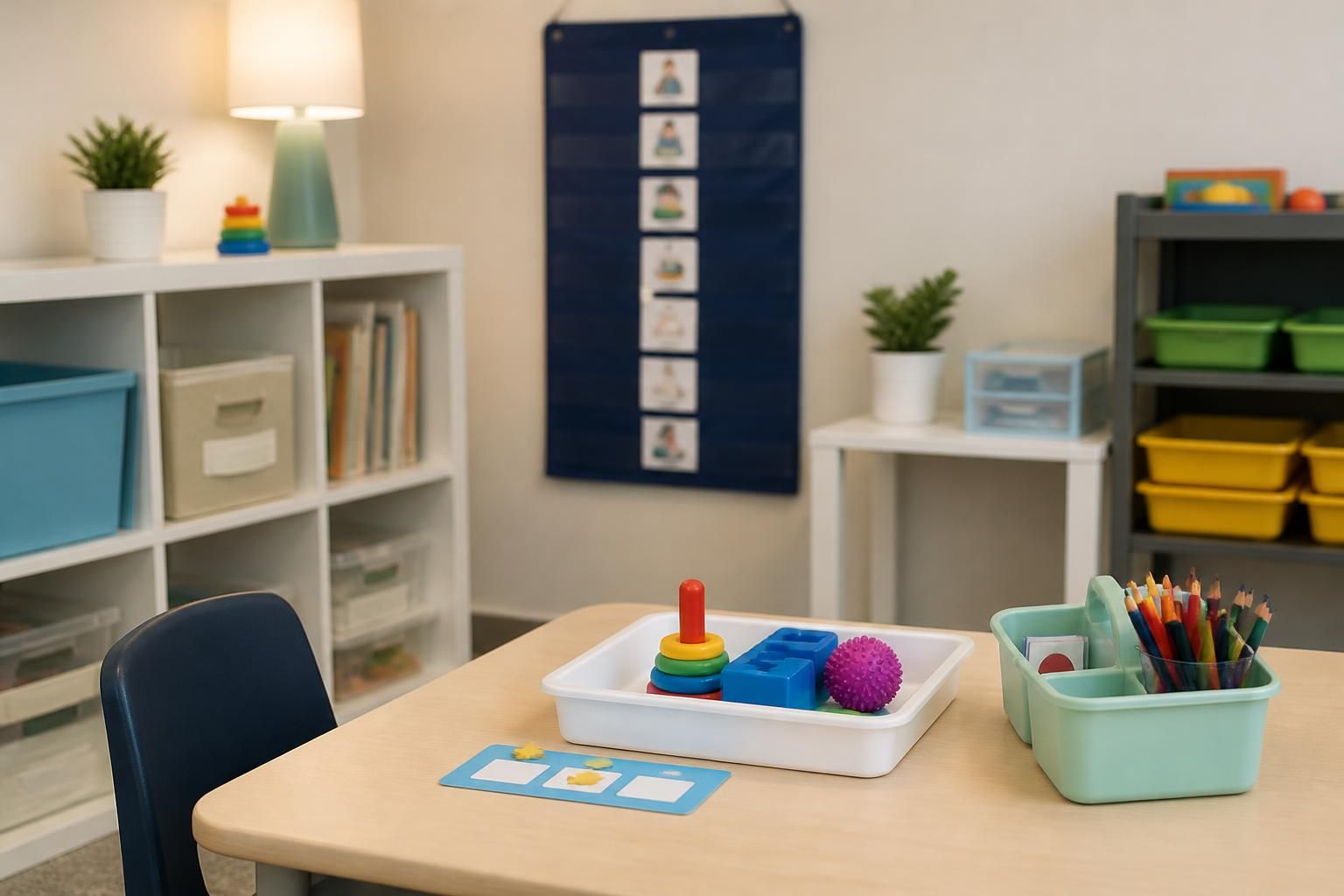
Support for early learners building communication, routines, and everyday skills through ABA therapy.
When a young child has trouble with communication, transitions, or everyday routines, even simple moments can feel overwhelming. You may notice frequent frustration, difficulty following directions, limited engagement, or behaviors that make daily life harder at home and during play.
Applied Behavior Analysis (ABA) therapy can help turn those hard moments into clearer steps. At Seedlings Therapeutic Services, we support children and caregivers throughout New Rochelle, New York with individualized early intervention services designed around a child’s needs, strengths, and daily routines.
ABA therapy focuses on how behavior works, why it happens, and how new skills can be taught through small, repeatable steps. For young children, that often means helping them learn through everyday moments rather than through long, abstract lessons.
Seedlings Therapeutic Services uses ABA within early childhood intervention to help children build meaningful skills that can carry into home routines, play, and early learning settings. The goal is not to change who a child is. The goal is to help each child gain more ways to communicate, participate, and adapt.
Many families seek ABA support after noticing patterns that keep repeating. A single hard day does not mean a child needs intervention, but ongoing struggles across settings may point to a need for structured support.
If your child seems stuck in the same patterns, early help can make a difference. ABA therapy can be useful when a child needs more than reminders or routine changes alone.
Some children show challenging behaviors when they cannot express a need, do not understand what comes next, or feel overwhelmed by change. ABA can help identify what the child is communicating through behavior and then build a better path forward.
Getting dressed, cleaning up toys, moving from one activity to another, or sitting for a short task can become difficult for children who need more support with structure. ABA uses step-by-step teaching to make routines more manageable.
Early learners often need support with attention, imitation, turn-taking, and listening skills before they can join group learning more confidently. ABA can strengthen these foundations so children are better prepared for school readiness.
At Seedlings Therapeutic Services, ABA therapy is shaped around the child and the people who care for them every day. We start with what matters most to the family, then create practical learning goals that fit real life.
Because young children learn best through repetition and consistency, ABA sessions may focus on one skill at a time. Small successes build momentum, and caregivers can see how those skills fit into ordinary parts of the day.
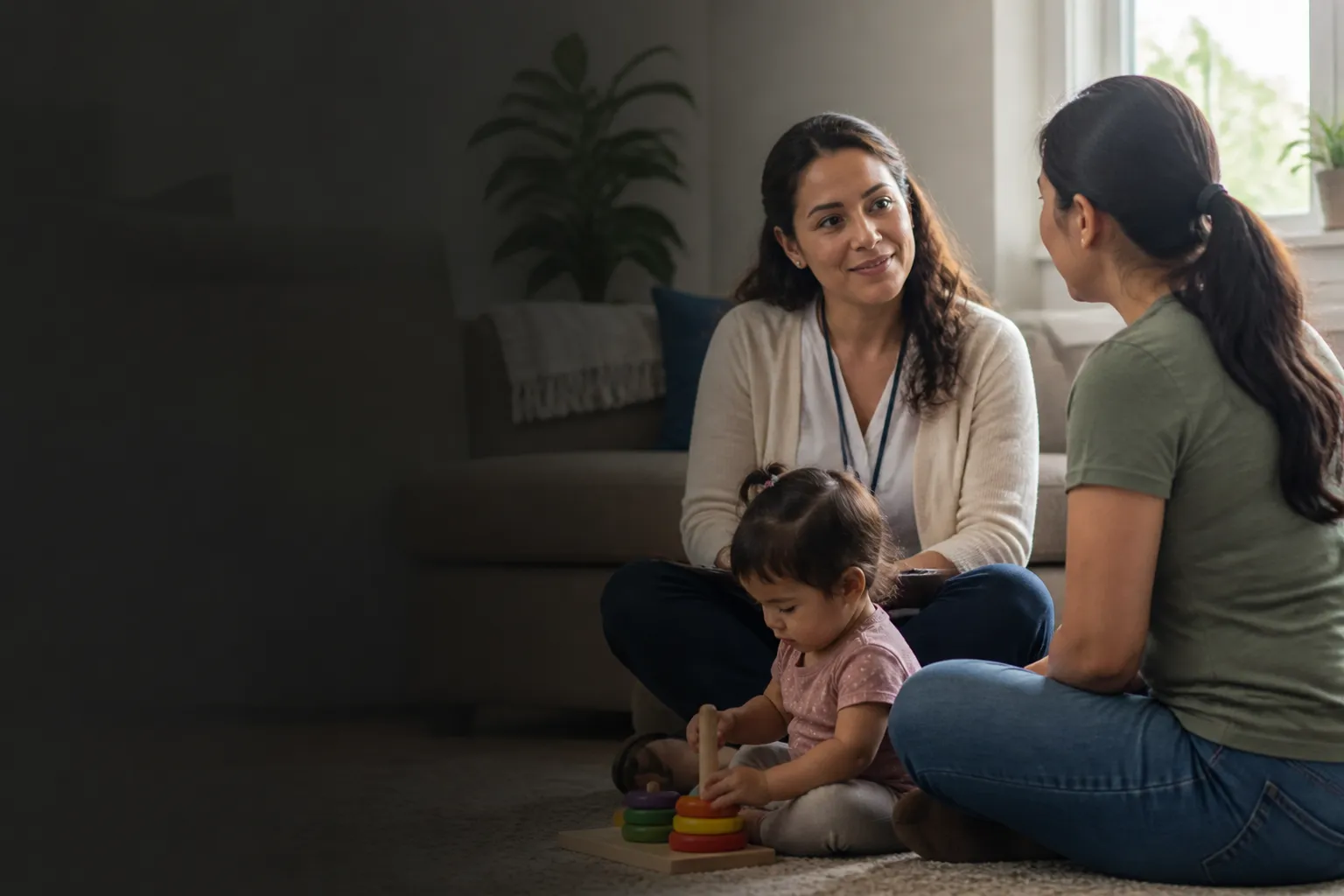
For many families, home is where the hardest moments happen and where the most useful practice can take place. ABA therapy can be especially helpful when it is built around the child’s actual routines, toys, spaces, and daily expectations.
Seedlings Therapeutic Services provides home-based services across New Rochelle, New York and the surrounding region. That setting allows therapy to feel connected to real life, not disconnected from it. Children can practice communication, responding to directions, and coping with changes where those skills matter most.
Young children make progress faster when the adults around them know how to respond consistently. That is why caregiver coaching is a key part of ABA support. We work with parents and caregivers so they can use the same teaching steps during ordinary routines.
Instead of asking caregivers to remember complicated strategies, we focus on practical tools that fit real households. The result is support that can continue between sessions, during play, and during the moments when a child needs help most.
ABA therapy works well when goals are specific and useful. Children do not need to master everything at once. They need steady support that helps them build confidence one skill at a time.
Seedlings Therapeutic Services may use ABA to support several areas of early development, depending on the child’s needs and learning profile.
Some children need help learning how to ask for what they want, protest appropriately, or respond to simple questions. ABA can support early communication by reinforcing useful, child-friendly ways to connect.
Behavior support is not only about reducing hard moments. It is also about teaching replacement skills so the child has better options when frustrated, tired, or unsure.
Skills such as sitting with a task, waiting, following a routine, and moving between activities are often important stepping stones toward school readiness. ABA can help strengthen those foundations early.
If your child is having a hard time with routines, learning, or behavior, the first step is simply reaching out. From there, we can talk through concerns, current challenges, and what support may fit best.
Seedlings Therapeutic Services serves families seeking early intervention support from birth to age 3. For ABA therapy, the focus stays on the child’s current stage, the family’s daily needs, and the skills that will support more confident participation.
You can contact us by phone at +19143395511 or email info@seedlingstherapy.com to learn more about ABA therapy for your child in New Rochelle, New York.
The goal is to help children build useful everyday skills, such as communication, participation, and routine-following, while also reducing behaviors that get in the way of learning and daily life.
ABA can be used as part of early intervention when a child needs structured support with behavior, learning readiness, and practical skill development during the first years of growth.
Yes. ABA can help children learn ways to request help, express needs, respond to simple directions, and participate more clearly during daily routines.
Yes. Caregiver involvement is an important part of ABA because children often make stronger progress when the same strategies are used across home routines and therapy time.
Skills may include transitions, following directions, play participation, early self-help routines, turn-taking, and other learning behaviors that support development.
No. ABA is also used to teach new skills, strengthen communication, and support participation in daily routines. Behavior concerns are only one part of the picture.
Take The Next Step
If you are concerned about your child’s growth, communication, movement, or daily routines, we are here to help you explore services that fit your family.