Sensory Integration in New Rochelle, New York
Support for children who react strongly to everyday sensations and need more comfortable routines.
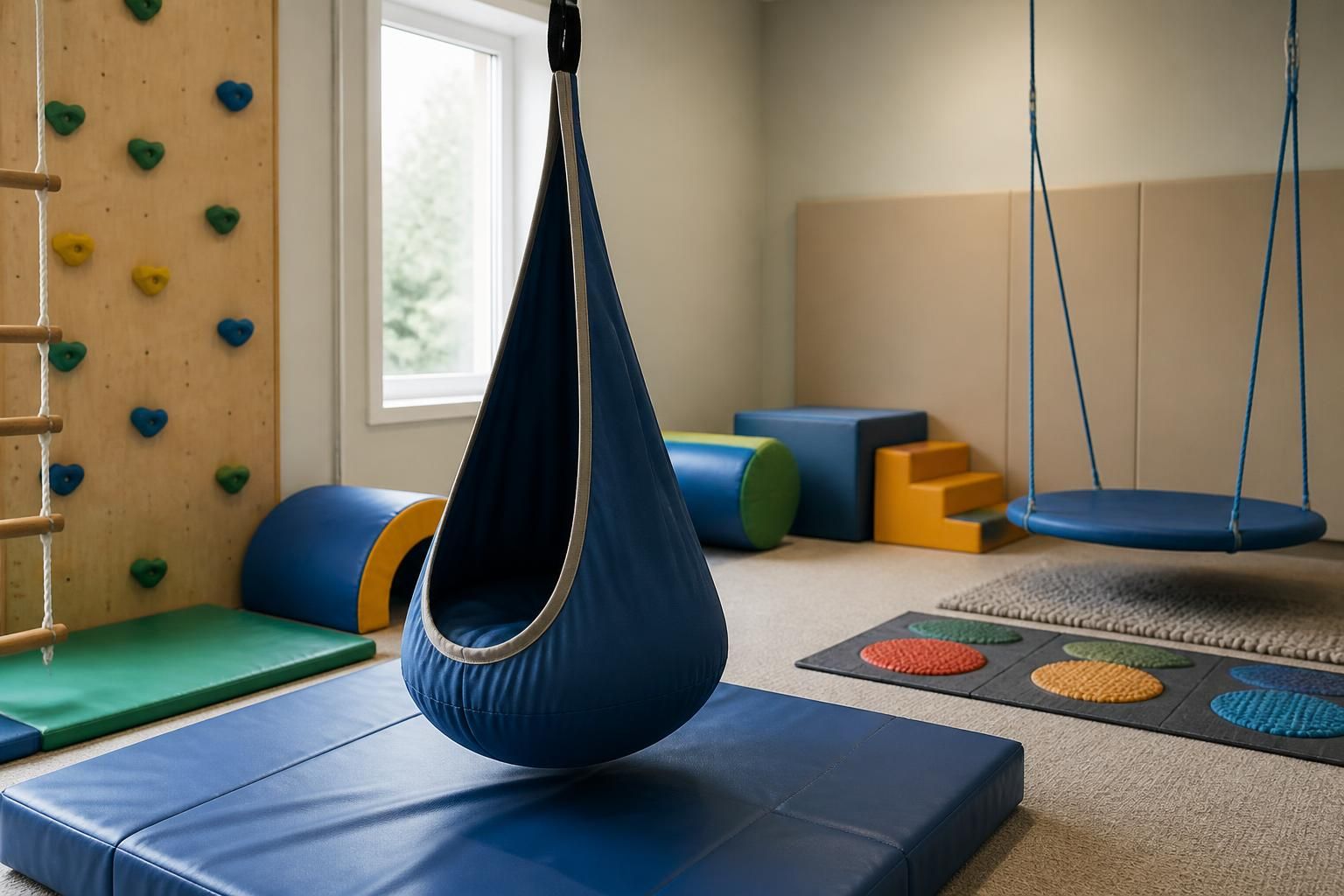
Support for children who react strongly to everyday sensations and need more comfortable routines.
If your child covers their ears at ordinary sounds, avoids certain textures, or seems upset by lights, movement, or touch, daily routines can feel harder than they should. Meals, dressing, play, and transitions may turn into repeated struggles that leave everyone exhausted and unsure of what will help next.
Seedlings Therapeutic Services supports families seeking sensory integration care for young children in New Rochelle, New York. We help identify what is overwhelming your child and build practical ways to make home routines, learning time, and play feel more manageable.
Sensory integration focuses on how a child receives and responds to input from the world around them. Some children seek movement, pressure, or touch more intensely than expected, while others avoid sounds, textures, or busy environments. When those responses are strong, ordinary moments can become upsetting or hard to complete.
We look at the patterns behind those reactions and how they affect daily life. The goal is not to change who your child is. The goal is to help your child handle sensation with more comfort and confidence.
Seedlings Therapeutic Services works with families in New Rochelle, New York to understand how sensory needs show up across the day. We use Sensory Integration within early childhood intervention to support children from birth to age 3 who may need help with everyday comfort, participation, and learning.
Our approach is individualized. We consider what your child enjoys, what they avoid, and what triggers stress during routines. Then we help create a plan that fits your child’s age, abilities, and home environment.
Sensory challenges do not always look the same from one child to another. Some children are highly reactive and avoid touch, sound, or movement. Others look like they cannot get enough sensory input and may seem constantly on the go. A child can also show both patterns at different times.
If you are noticing repeated stress around everyday routines, it may help to pay attention to the settings and sensations that bring on the behavior.
Clothing tags, brushing hair, loud rooms, or fast transitions may lead to tears, resistance, or shutdown.
Texture sensitivity, gagging, limited food choices, or restlessness at the table can point to sensory concerns.
Some children avoid hands-on materials, while others crash into furniture, seek spinning, or struggle to slow down.
Busy sounds, other children, and unfamiliar routines may be more difficult than one-on-one play at home.
Sensory Integration works well as part of early intervention because young children learn through everyday experiences. During the first years of life, small changes in support can make routines feel easier and help children take part more fully in family life.
At Seedlings Therapeutic Services, we build individual learning plans that fit your child’s needs and your family’s daily routine. We coordinate sensory support with speech therapy, occupational therapy, physical therapy, special instruction, feeding therapy, developmental evaluations, parent coaching, school readiness, and ABA therapy when appropriate to the child’s plan.
Our sensory integration services are home-based for families throughout New Rochelle, New York and surrounding service areas served by our early childhood intervention program. That setting matters because many sensory challenges show up most clearly at home, where children eat, dress, play, and move through daily routines.
We begin by learning what your child does well and where frustration shows up most often. Then we use activities and coaching that fit the child’s current stage, rather than overwhelming them with too much input at once.
We watch how your child responds to movement, touch, sound, and transitions during natural routines.
We look for triggers, calming strategies, and times of day when regulation is easiest or hardest.
We introduce simple strategies through play and routine-based activities that make sense at home.
We show parents and caregivers how to use the same supports between visits so progress can carry over.
Sensory integration works better when caregivers know what to look for and how to respond early. A child who is overwhelmed often shows signals before a full meltdown or shutdown. Parent coaching helps you notice those signals sooner and use strategies that match your child’s needs.
We keep the guidance practical. You do not need complicated routines or special equipment to start helping your child. Often the most useful changes are small, repeatable, and built into parts of the day you already manage.
Families looking for sensory integration support in New Rochelle, New York often want care that is close to home and grounded in real daily routines. Seedlings Therapeutic Services offers that kind of support through early childhood intervention services shaped around the child’s needs and the family’s schedule.
Because sensory challenges affect so many parts of the day, our work stays practical. We focus on home routines, communication with caregivers, and individualized learning plans that help your child participate more comfortably in everyday life.
It usually looks like guided play, movement, touch, and routine-based activities that help a child handle sensory input with more comfort. The approach is adjusted to the child’s responses and age.
If your child has repeated distress around sound, touch, movement, clothing, food, or transitions, sensory support may help. Patterns across several routines are often more telling than one isolated reaction.
Yes. Many children with sensory sensitivities struggle with food textures, clothing tags, grooming, or messy hands. Those reactions can make meals and morning routines harder.
Yes. Our early intervention services are home-based, which allows us to observe real routines and coach caregivers where the challenges happen most often.
Yes. It often fits alongside occupational therapy, speech therapy, physical therapy, special instruction, feeding therapy, developmental evaluations, parent coaching, school readiness, and ABA therapy when those services match the child’s needs.
Parent coaching helps caregivers recognize early signs of overload, use calming strategies during daily routines, and support consistency between visits. That carryover can make sensory supports more effective.
If your child seems overwhelmed by ordinary sensations, you do not have to guess through it alone. Seedlings Therapeutic Services can help you understand what is driving those reactions and build a plan that supports calmer routines at home.
To learn more about sensory integration support for your child in New Rochelle, New York, contact us at +19143395511 or info@seedlingstherapy.com.

Take The Next Step
If you are concerned about your child’s growth, communication, movement, or daily routines, we are here to help you explore services that fit your family.