Special Instruction in New Rochelle, New York
Special instruction helps young children build early learning skills through individualized support.
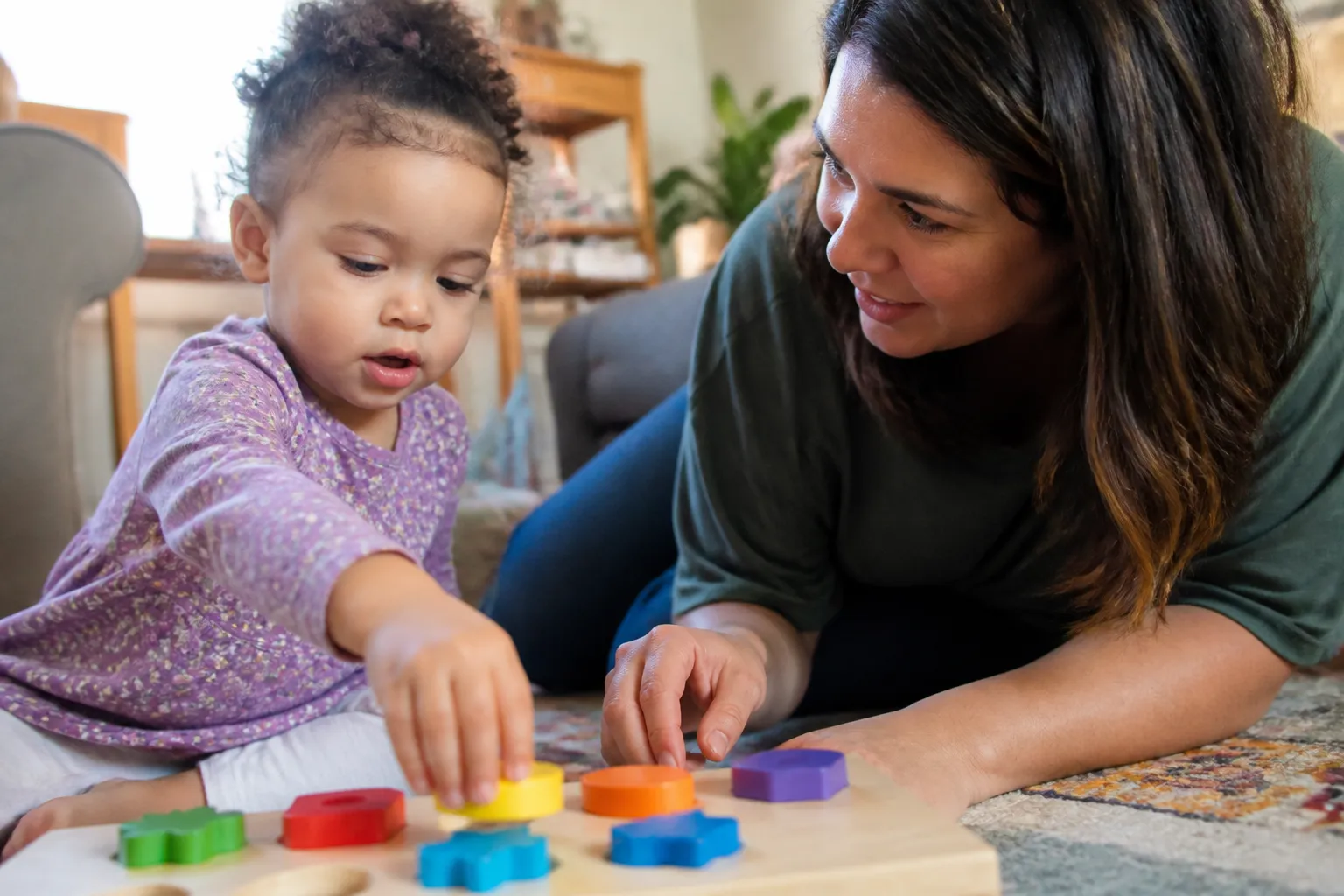
Special instruction helps young children build early learning skills through individualized support.
When a young child is not keeping pace with early learning milestones, daily routines can start to feel harder than they should. You may notice challenges with attention, play, communication, following simple directions, or taking part in age-expected activities, and you may be wondering what kind of support will actually help.
Special Instruction gives your child a structured, individualized way to practice early skills through play, routine, and guided learning. At Seedlings Therapeutic Services, we work with families throughout New Rochelle, New York to create support that fits a child’s developmental needs and the home routines that matter most.
Special instruction is designed for children who need extra help building the foundation for learning, interaction, and daily participation. The focus is not on pushing a child ahead of their age, but on meeting them where they are and helping them grow through small, workable steps.
For many families, that means support with skills that show up throughout the day, such as:
Seedlings Therapeutic Services uses special instruction as part of a broader early childhood intervention approach. We work with children from birth to age 3, and the support is shaped around each child’s strengths, needs, and everyday environment.
Some developmental concerns are easy to spot, while others are more subtle. A child may seem bright and curious, yet still struggle to use skills consistently across home routines. Parents often reach out after noticing a pattern rather than a single concern.
If you are unsure whether special instruction may help, look for recurring challenges such as:
Your child has trouble focusing on a toy, book, or guided activity long enough to learn from it.
Your child uses fewer gestures, sounds, words, or attempts to connect than expected for their age.
Your child needs repeated help with basic parts of the day, even after many practice opportunities.
Your child may prefer the same type of play and have trouble trying new actions or following simple pretend play.
Your child becomes easily overwhelmed during transitions, new demands, or changes to familiar routines.
If these concerns sound familiar, special instruction can be a practical next step. It helps translate developmental goals into small, teachable moments that fit real life.
Special instruction is most effective when it happens where children already live, play, and learn. That is why our services are home-based and family-centered. The learning plan is built around the child, but it is also built around the routines caregivers manage each day.
A session may focus on guided play, modeling, repetition, and simple practice activities that support attention, language, imitation, and early thinking skills. The instructor may use toys, books, movement, or everyday items to make learning feel natural and manageable.
We also help caregivers understand how to carry over strategies between visits. That might mean changing the way a cue is given, slowing down a routine, or adding a short practice moment during an ordinary activity.
Young children learn best through consistency. Instead of expecting a child to master a skill all at once, we break it into steps and build from there. This makes progress easier to see and easier to support at home.
Parents and caregivers are part of that process. The goal is not just what happens during a session, but what a child can begin to do during mealtime, dressing, cleanup, play, and other familiar parts of the day.
Special instruction can support a wide range of early developmental needs. The exact goals depend on your child’s current abilities and what matters most to your family. For some children, the main focus may be communication. For others, it may be learning to participate more comfortably in routines or tolerate new activities.
Common goal areas include:
Some children also benefit from support that connects special instruction with occupational therapy, speech therapy, physical therapy, feeding therapy, or ABA therapy when those services are part of the child’s early intervention plan. That coordinated approach can make goals more clear and more usable across the day.
When a child is young, caregivers are often the ones who make the biggest difference between sessions. That is why parent coaching is a core part of how we work. We do not expect families to memorize a long list of tasks. Instead, we keep strategies simple, realistic, and tied to routines already happening at home.
Many parents find this support helpful because it makes progress feel more consistent. A child may practice a skill during a session, then use the same skill again with a parent later that day. That repetition is where learning starts to stick.
Families often reach out when they know something is not quite matching up with their child’s stage of development, but they are not sure what to ask for. Special instruction gives that concern a structure. It turns broad worry into a plan with observable steps.
Seedlings Therapeutic Services has supported early learners throughout New Rochelle, New York and the surrounding region since 2005 through home-based early childhood intervention. We focus on individualized support that helps children strengthen intellectual, social, behavioral, and emotional skills while keeping caregivers involved at every stage.
For many families, that means less guesswork. You get help understanding your child’s current needs, what skills to practice first, and how to keep supporting progress between visits.
The first part of the process usually centers on learning about your child and your concerns. We want to understand what your child can do now, what feels hard, and which routines are most important to your family. From there, the learning plan can be shaped around practical priorities.
Here is a simple overview of how the process often unfolds:
We learn about your child’s developmental history, current routines, and the skills you want to work on first.
Goals are selected based on your child’s needs and are broken into manageable steps.
Sessions focus on everyday learning opportunities that fit naturally into the home setting.
We show caregivers how to use the same strategies between visits so progress continues beyond the session.
If your child responds well to short, repeated practice and familiar routines, special instruction can be a strong fit. It gives structure without making learning feel overwhelming.
Special instruction through Seedlings Therapeutic Services is focused on children from birth to age 3 who have developmental delays or need early support.
Play is part of it, but the activity is planned with a purpose. The child is practicing targeted skills such as attention, communication, imitation, or routine participation.
Yes. Special instruction may be part of a broader early intervention plan that also includes speech therapy, occupational therapy, physical therapy, feeding therapy, or ABA therapy when appropriate.
Yes. Caregiver involvement matters because the goal is to help a child use new skills throughout the day, not only during a visit.
No. Some children need support with a few early skills, while others need help across several areas. The service is shaped around the child’s specific needs.
It can support the early building blocks that make later learning easier, such as attention, following directions, social engagement, and routine participation.
If you are noticing developmental concerns and want clear, practical support, special instruction can help your child build early learning skills one step at a time. Seedlings Therapeutic Services serves families throughout New Rochelle, New York with individualized early childhood intervention that keeps the focus on everyday progress.
Call +19143395511 or email info@seedlingstherapy.com to ask about special instruction and learn how we can support your child’s next stage of growth.
Take The Next Step
If you are concerned about your child’s growth, communication, movement, or daily routines, we are here to help you explore services that fit your family.